

-
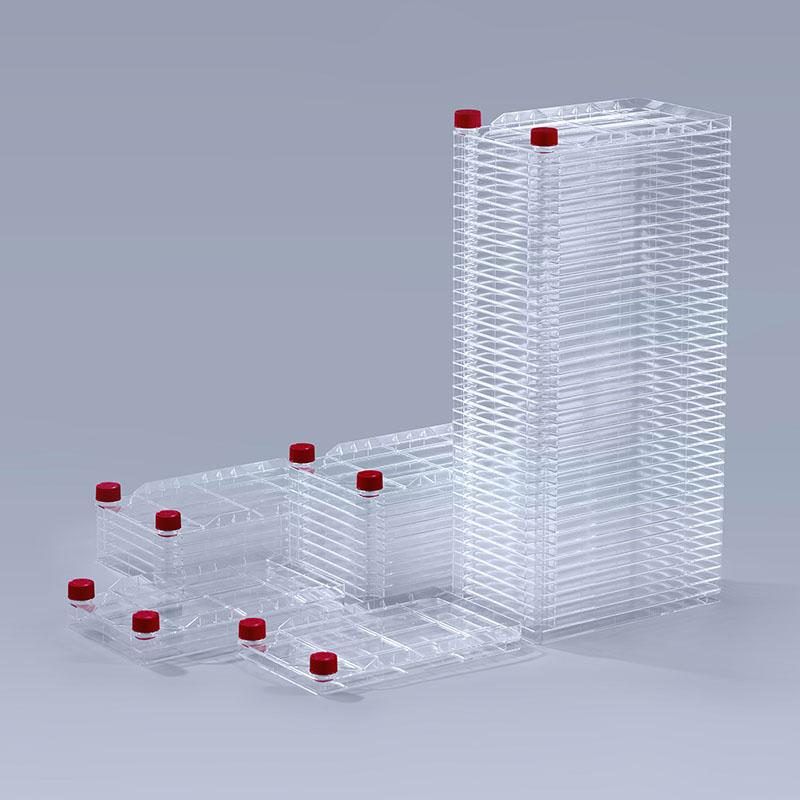
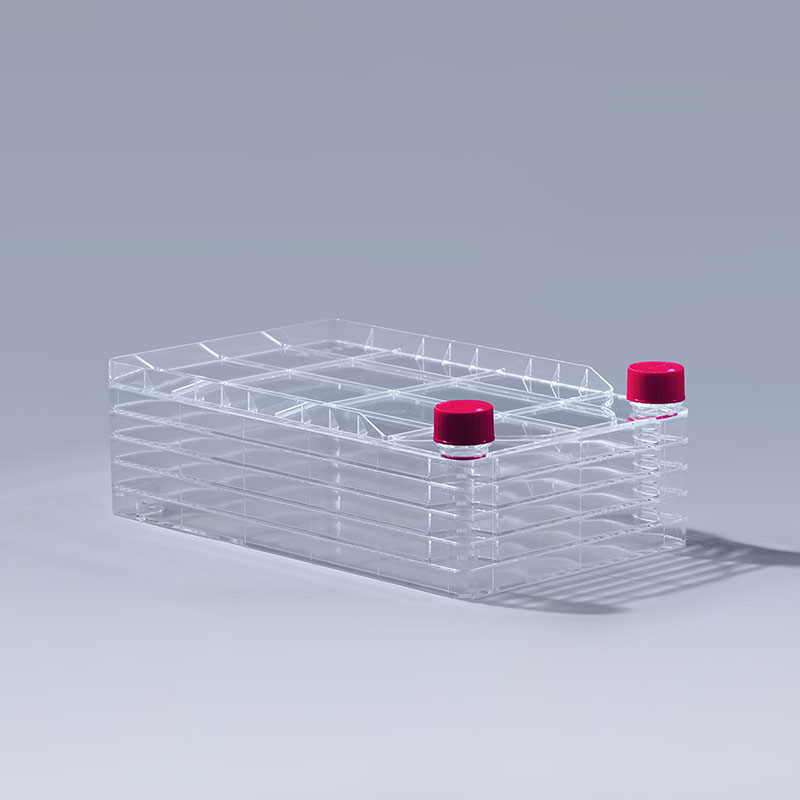
What Should Be Noted When Culturing Cells in a Cell Factory
Thu Nov 27 10:18:47 CST 2025
Cell factory provide a closed and controlled cultivation environment that significantly reduces the risk of contamination. However, successful cell culture still relies on strict adherence to aseptic techniques and careful attention to operational details. Only by ensuring proper execution at every step can reliable experimental results be obtained, thereby supporting scientific research effectively. -

The Origins and Genetic Diversity of HIV-1: Evolutionary Insights and Global Health Perspectives
Wed Nov 12 10:33:05 CST 2025
Human immunodeficiency virus (HIV), comprising two distinct types, HIV-1 and HIV-2, remains one of the most significant global health challenges, originating from multiple cross-species transmissions of simian immunodeficiency viruses (SIVs) in the early 20th century. This review traces the evolutionary trajectory of HIV from zoonotic spillover to its establishment as a global -
Sialylation Inhibition Impairs Migration and Promotes Adhesion of GBM Cells
Tue Nov 04 09:17:46 CST 2025
Abstract Aberrant sialylation has been associated with many types of tumors, characterized by aggressiveness and undifferentiated state. However, not exhaustive investigations have been performed on the sialylation status in glioblastoma multiforme (GBM), the most common primary and lethal malignant brain tumor in humans. Hence, in this study we performed a comprehensive characterization of the sialylation status in GBM evaluating specific sialyltransferases and various types of sialic acids (Sias) in different GBM cell lines. First, through in silico analysis we showed that the sialyltransferases ST6GAL1, ST3GAL2 and ST8SIA4 are significantly up-regulated in GBM tissues and related to lower patient survival. Then, we evaluated the expression levels of these sialyltransferases and their related Sias and observed a high variability among the different GBM cell lines. In addition, using the pan-sialyltransferase inhibitor 3-Fax, we highlighted the role of sialylation in some of the main oncogenic properties of GBM. Indeed, a significant reduction in mobility and migration capacity along with increased adhesiveness of GBM cells was observed upon sialyltransferases inhibition. Our findings showed that aberrant expression of different Sias types is crucial for cell migration and adhesion ability of GBM cells, suggesting that Sias might represent biomarkers for GBM and be useful to design innovative therapeutic strategies. Keywords: glioblastoma multiforme; sialic acids; sialyltransferases; 3-Fax-peracetyl-Neu5Ac; cell migration; cell adhesion Source: MDPI Original address:https://www.mdpi.com/1422-0067/26/21/10708 -
Strong Association Between MiRNA Gene Variants and Type 2 Diabetes Mellitus in a Caucasian Population
Tue Oct 28 16:08:13 CST 2025
Strong Association Between MiRNA Gene Variants and Type 2 Diabetes Mellitus in a Caucasian Population We are glad to share with you about the results of our work, company news, industry news and give you timely developments and personnel appointment and removal conditions. -

PPAR-γ Inhibits Chronic Apical Periodontitis by Facilitating Macrophage Efferocytosis
Mon Oct 20 14:15:39 CST 2025
This study aimed to elucidate the role of peroxisome proliferator-activated receptor-γ (PPAR-γ) in regulating macrophage efferocytosis during the pathogenesis of chronic apical periodontitis (CAP). -
Parity and NIS Expression in Atypical Cells of Triple-Negative Breast Cancer, and Prognosis
Tue Oct 14 11:19:50 CST 2025
One of the characteristics inherent in both the mammary gland epithelium in pregnant women and luminal epithelial adenocarcinomas is the increased expression of NIS—the sodium/iodide symporter, whose defective cytoplasmic forms possess pro-oncogenic properties.
Send Inquiry
English